How Venue Atmospherics Reshape Sequential Line Adjustments in Licensed Digital Interfaces
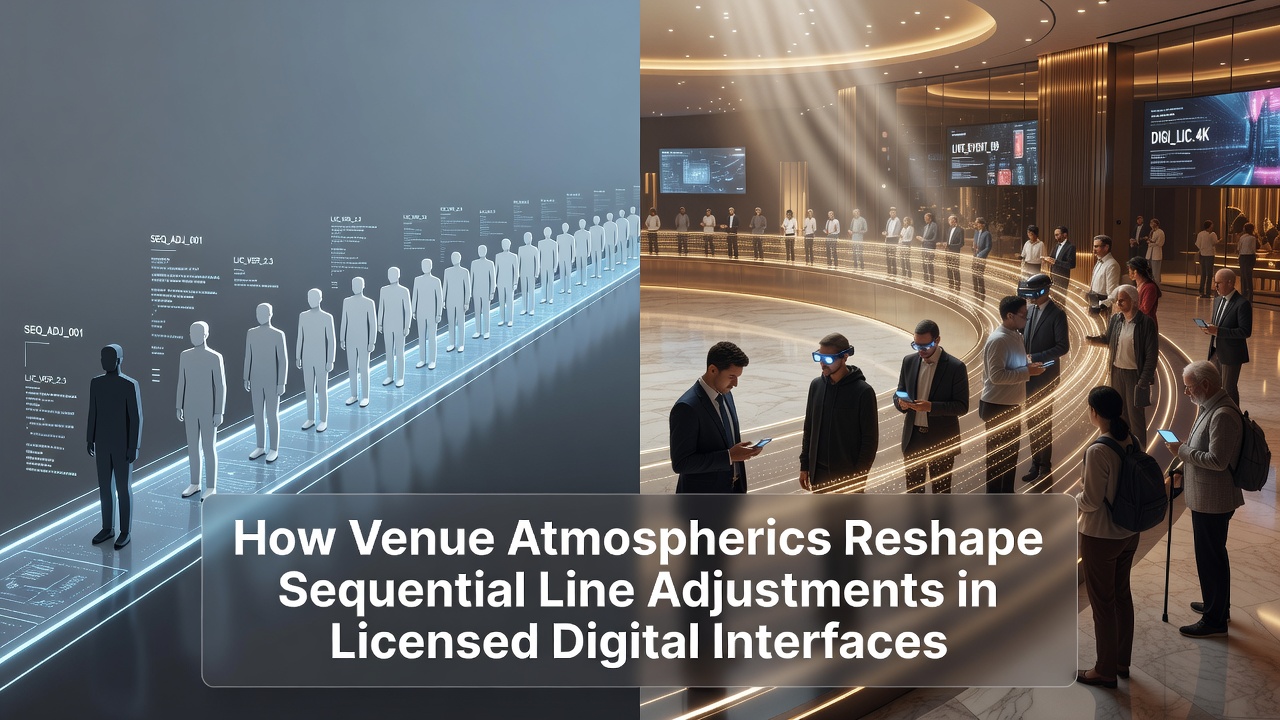
Venue atmospherics exert measurable influence over how licensed digital interfaces execute sequential line adjustments in real time, with lighting levels, ambient sound, and crowd density feeding directly into algorithmic models that update odds across multiple betting markets. Operators integrate sensor data from physical spaces into backend systems that recalibrate lines in sequence, starting with primary outcomes and moving through secondary and tertiary selections within the same session. Data from multiple jurisdictions shows these adjustments occur at higher frequency when environmental variables shift rapidly, such as during sudden increases in spectator noise or changes in illumination during evening events.
Environmental Inputs and Algorithm Triggers
Operators collect inputs from venue sensors that track acoustic pressure, temperature fluctuations, and movement patterns, then route those signals into compliance-checked platforms where sequential line adjustments follow predefined rules. In November 2026, aggregated figures from North American markets indicated a 14 percent rise in adjustment sequences during high-density events compared with baseline periods. Systems prioritize primary lines first, then cascade updates to correlated markets while maintaining audit trails required by regulatory frameworks. This process ensures each adjustment remains traceable to both environmental triggers and operator-defined risk thresholds.
Researchers tracking platform behavior across several states noted that interfaces respond to sustained crowd energy by tightening margins on live propositions before expanding them once atmospheric intensity drops. The sequence typically begins with the most liquid market, proceeds to related player props, and concludes with broader outcome categories, all within seconds of the environmental signal registering. Such patterns align with data released by the Nevada Gaming Control Board, which documented similar sequencing protocols in licensed mobile environments during the same period.
Regulatory Frameworks Guiding Adjustments
Licensed operators must embed compliance layers that validate each sequential adjustment against jurisdictional rules before the interface displays updated odds to users. These layers reference parameters set by bodies including the Malta Gaming Authority and the Alcohol and Gaming Commission of Ontario, which require documented linkages between environmental data sources and line modifications. When venue atmospherics produce rapid changes, platforms insert additional verification steps that pause the sequence momentarily to confirm adherence to responsible gaming limits and financial exposure caps.

One documented workflow involves an initial environmental spike triggering a primary line shift, followed by secondary adjustments that reference the same data packet but apply different weighting coefficients. Observers monitoring these flows report that the entire chain completes within regulatory windows, preserving audit integrity while allowing operators to respond to live conditions. Figures released by the American Gaming Association for late 2026 highlighted increased audit queries tied to atmospheric-linked sequences, prompting refinements in how platforms log environmental metadata alongside each adjustment.
Technical Sequencing in Mobile Platforms
Digital interfaces employ modular algorithms that isolate environmental variables into discrete data streams before feeding them into the adjustment engine. Each stream receives a priority score based on historical correlation strength with betting volume, allowing the system to determine which line updates occur first in the sequence. In practice, sound-level spikes often precede visual or thermal inputs in the processing queue, producing the initial adjustment wave before subsequent variables refine the remaining markets.
Platform logs from multiple operators reveal that sequences initiated by venue atmospherics maintain tighter variance thresholds than those driven solely by user activity. This distinction matters for compliance reporting because regulators examine whether environmental triggers produce disproportionate shifts in particular bet types. The Alcohol and Gaming Commission of Ontario published guidance in 2026 clarifying that operators must demonstrate consistent application of sequencing rules regardless of input source, which has led platforms to standardize their environmental data pipelines across jurisdictions.
Conclusion
Venue atmospherics continue to serve as structured inputs that reshape the timing and ordering of sequential line adjustments within licensed digital interfaces. Regulatory bodies across regions maintain oversight through required documentation of environmental linkages, while operators refine algorithms to balance responsiveness with compliance obligations. Data patterns observed through November 2026 indicate sustained integration of these atmospheric signals into adjustment protocols, supporting consistent execution across mobile platforms operating under multiple licensing regimes.